Ohio homeowners often rely on fireplaces during long winters, but many forget that chimneys require regular care. While the warmth of a fire feels comforting, a dirty or blocked chimney can quietly put your family at risk. Creosote buildup, structural blockages, and animal nests are just a few of the hazards that can form inside your chimney without warning.
Even if you don’t use your fireplace often, a chimney can still collect moisture, debris, and harmful residues that reduce efficiency and increase danger. The National Fire Protection Association recommends annual chimney inspections and cleanings, yet most homeowners wait until there’s visible damage or an emergency.
In this guide, we’ll walk you through the top signs that your chimney needs professional cleaning. By learning what to look out for, you can avoid fires, carbon monoxide leaks, and costly repairs down the line.
1. Excessive Creosote Buildup
Creosote is a thick, sticky substance that forms from wood smoke. It’s highly flammable and one of the leading causes of chimney fires.
Look out for:
- A strong smoky smell even when the fireplace isn’t in use
- Black or brown residue in the firebox or flue
- Reduced draft when the fire is burning
If you see or smell any of these, check our chimney cleaning service page to learn what to expect from a proper cleaning.
2. Smoke Entering the Home
Smoke should always exit through the flue. If it starts backing up into your living space, it could mean a serious blockage or airflow issue.
Possible causes include:
- Heavy soot accumulation
- Bird nests or leaves
- Cracked or collapsed flue liner
This is not just annoying,it’s a potential carbon monoxide hazard. You can learn more under chimney inspection.
3. Strong Fireplace Odors
Do you notice a burnt or sour smell around your fireplace, especially on humid or rainy days? That’s usually a sign that residue inside the chimney is mixing with moisture.
Causes of chimney odors:
- Creosote and soot buildup
- Moisture penetration
- Animal remains or nesting material
This can also indicate water damage. Review our chimney crown repair details to prevent further leaks.
4. Soot or Ash on the Hearth
When ash or soot spills out of the firebox and settles on your floor or nearby surfaces, it means something is blocking the exhaust path.
Watch for:
- Excessive ash every time you use the fireplace
- Gray or black powder around the hearth
- Coughing or sneezing after burning wood
If it feels like your fireplace is dirtier than it should be, you might need a chimney cleaning and inspection.
5. Strange Noises or Debris Falling
Chirping, rustling, or scratching sounds coming from your chimney often point to animal intrusion. You might also notice sticks, fur, or even feathers on your fireplace floor.
Why this matters:
- Nests can block airflow
- Animal droppings can introduce disease
- Dead animals increase fire and odor risk
A secure chimney cap installation helps prevent future nesting.
6. Rainwater or Moisture Inside
Rain inside your chimney can cause mold, mildew, and deterioration of masonry and liners. Moisture also accelerates creosote buildup.
Signs of water problems:
- Rust stains inside the firebox
- Dripping sounds
- Musty odors
Our chimney flashing repair and crown repair services help seal the structure and block leaks.
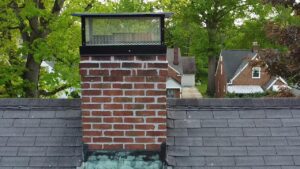
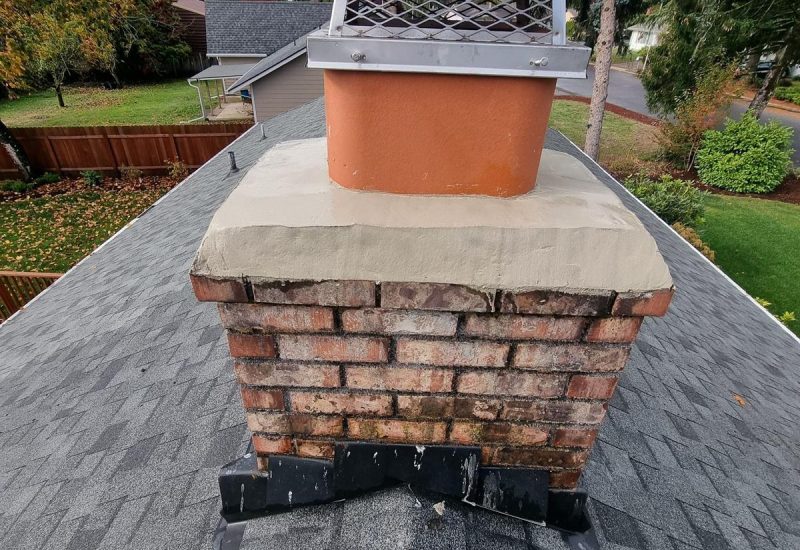
7. Damaged Chimney Cap
Your chimney cap plays a critical role in keeping weather and animals out while allowing smoke to vent. If it’s missing or damaged, you may have several problems at once.
Things to inspect:
- Broken mesh or top
- Rust or corrosion
- Debris accumulation on top of the chimney
Check our chimney cap installation for more protection tips.
8. White Stains on the Brick (Efflorescence)
Efflorescence is a white powdery substance that forms when water evaporates from brick, leaving mineral deposits behind. It’s a telltale sign of water damage.
Other water-related issues include:
- Spalling or flaking bricks
- Soft or crumbling mortar
- Leaking near ceiling or attic
If left untreated, these signs can lead to structural damage. Learn more about our chimney repair options.
9. Poor Draft Performance
A properly functioning chimney should pull smoke up and out efficiently. If you find it hard to start a fire, or it doesn’t stay lit, poor draft might be the culprit.
Why it happens:
- Blockages
- Dirty flue
- Incorrect damper position
This is often resolved with a full chimney inspection and cleaning.
10. It’s Been Over a Year Since Your Last Cleaning
Even if everything seems fine, the NFPA recommends getting your chimney cleaned at least once a year. In Ohio’s colder months, fireplaces are used more frequently, which accelerates buildup.
If you’re not sure when your last cleaning was, it’s time to schedule one.
Conclusion
Chimney maintenance is easy to ignore, but the consequences of neglect can be dangerous and expensive. Whether it’s creosote buildup, animal activity, or water damage, early detection can save you from a chimney fire or major structural repair.
Knowing what signs to look for puts you ahead of the problem. Don’t wait for a visible issue—make inspection and cleaning a regular part of your home care routine.If you’ve spotted any of the signs mentioned above, it’s a smart move to get your chimney professionally checked. Master Chimney offers expert-level service across Ohio, including chimney liners, flashing repair, and full chimney cleaning.Reach out via our contact page to schedule your cleaning or inspection today.
FAQ
How often should chimneys be cleaned in Ohio?
At least once a year, especially if you use your fireplace often.
What is creosote and why is it dangerous?
It’s a flammable residue from burning wood. If it builds up too much, it can cause chimney fires.
Can animals really live in chimneys?
Yes. Birds, raccoons, and squirrels often nest in open flues.
Why is my fireplace smoking up the room?
Likely a blockage or draft issue. It could also be a dirty flue or closed damper.
What’s the white stuff on my chimney bricks?
Efflorescence, which signals water damage.
How do I prevent water from entering my chimney?
Install a chimney cap and ensure flashing and the crown are sealed.
Is chimney cleaning messy?
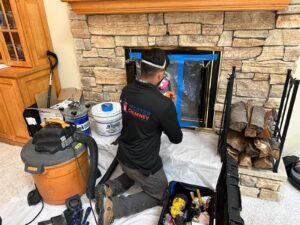
Not with the right tools. Professionals use vacuums and drop cloths to keep your home clean.
How long does a chimney cleaning take?
Typically 45 minutes to 1.5 hours, depending on buildup.
What if I don’t use my fireplace often?
Even unused chimneys can collect debris, moisture, and critters. Annual checks are still needed.
Can I clean my chimney myself?
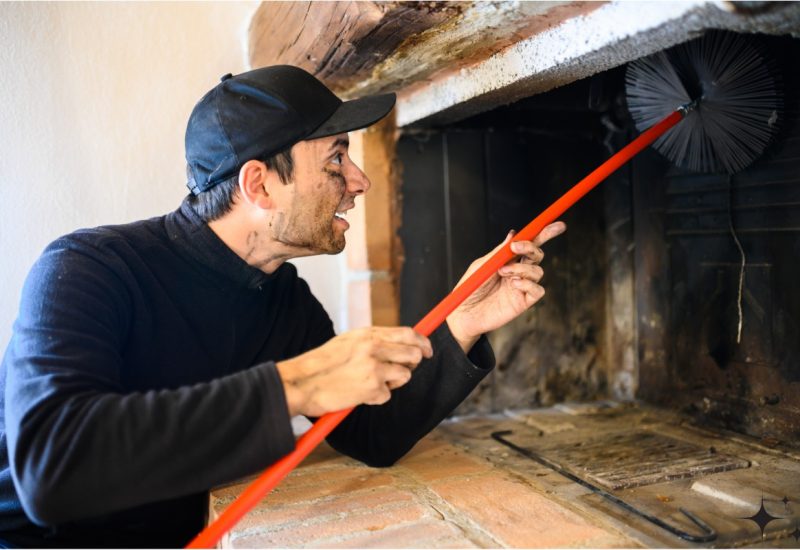
DIY kits exist, but professional cleanings are safer and more thorough.