When was your last chimney inspection? If you live in Ohio and use your fireplace during the colder months, regular chimney inspections are not just recommended, they’re essential. Every year, thousands of house fires in the United States are caused by preventable chimney issues. Many of these could be avoided with simple annual inspections.
A chimney that looks fine on the outside may be hiding dangerous issues inside. From creosote buildup to water damage and animal nests, unseen problems can lead to smoke damage, reduced heating efficiency, and serious fire hazards. In Ohio’s variable climate, where freezing temperatures and precipitation are common, the need for thorough and regular chimney inspections is even more important.
In this post, we’ll explain why chimney inspections matter, the different levels of inspections, what inspectors look for, and how often you should schedule one. If you’re a homeowner in Ohio, this guide will help you understand the risks, the benefits, and the peace of mind that comes with a clean bill of health for your chimney.
What Is a Chimney Inspection?
A chimney inspection is a detailed assessment of the fireplace, flue, liner, chimney cap, and surrounding masonry to ensure that the system is safe and functional. Certified chimney professionals follow standards set by the National Fire Protection Association (NFPA).
There are three levels of chimney inspections:
- Level 1: Basic visual inspection for systems with no changes or problems. This is the most common annual inspection.
- Level 2: Includes a video scan and is required when selling a home, after a chimney fire, or after structural changes.
- Level 3: Involves dismantling parts of the chimney and is reserved for serious structural concerns or safety threats.
Read more about chimney safety protocols by reviewing NFPA guidelines.
Why Ohio Homeowners Need Chimney Inspections
Ohio’s weather patterns put added stress on chimneys. Heavy snow, rain, freeze-thaw cycles, and high humidity can weaken masonry, loosen flashing, and accelerate deterioration.
Key reasons to inspect your chimney in Ohio:
- Moisture damage from snow and rain
- Creosote buildup from frequent wood burning
- Chimney cap wear from extreme temperatures
- Animal entry during nesting seasons
Regular inspections can detect and resolve these issues before they become expensive repairs. Learn more about chimney crown repair and flashing repair to see how weather can compromise your system.
Dangers of Skipping Inspections
Failing to inspect your chimney can lead to serious consequences, both financially and physically. Chimney fires can occur without warning, and symptoms like smoke leakage or strange odors often go unnoticed until it’s too late.
Risks of avoiding inspections:
- Hidden creosote buildup increases fire hazards
- Blocked flues can cause carbon monoxide poisoning
- Structural damage can collapse parts of the chimney
- Insurance claims may be denied if inspections aren’t documented
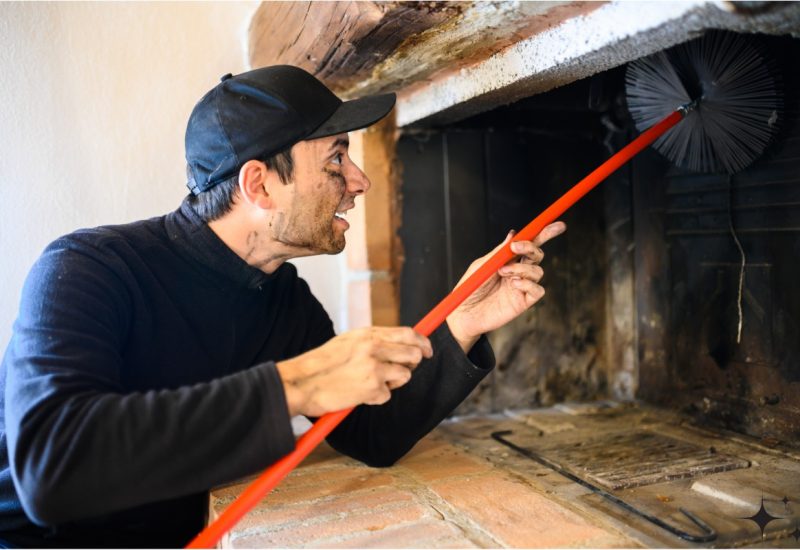
Chimney cleaning and inspection go hand in hand when it comes to prevention.
What Inspectors Look For
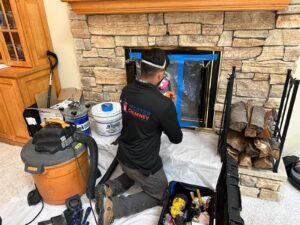
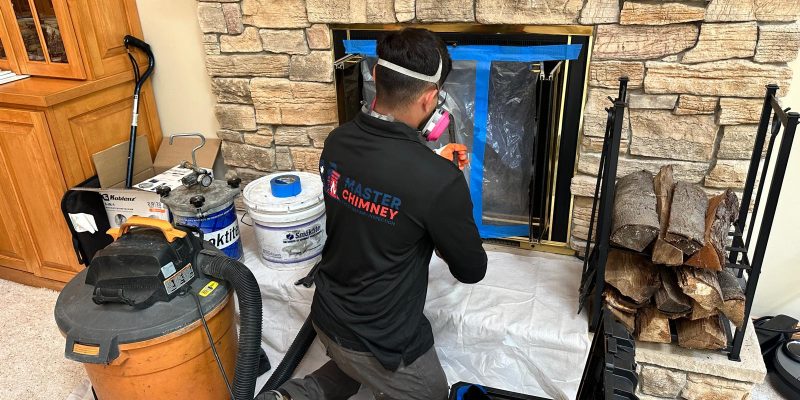
During an inspection, professionals use cameras, tools, and visual assessments to evaluate the chimney system from top to bottom.
Common elements checked include:
- Firebox and damper condition
- Flue liner integrity
- Creosote or soot buildup
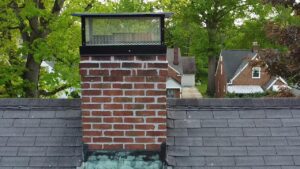
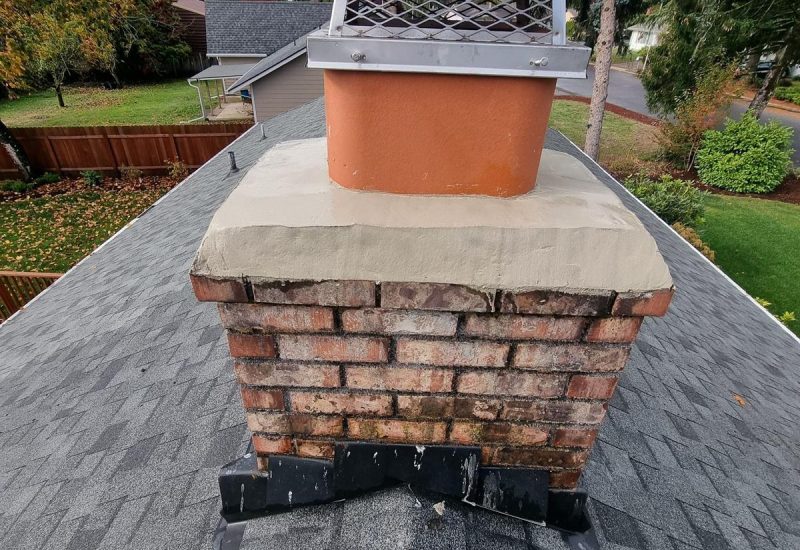
- Chimney cap and crown stability
- Flashing around the roofline
- Interior and exterior masonry cracks
If you’re concerned about specific damage, a chimney repair professional can provide recommendations after the inspection.
How Often Should Chimneys Be Inspected?
According to NFPA 211, chimneys, fireplaces, and vents should be inspected at least once per year. However, you may need more frequent inspections under certain conditions.
You should inspect more often if:
- You burn wood frequently (3+ times per week in winter)
- You just moved into a new home
- You’ve experienced chimney leaks or visible damage
- A chimney fire has occurred
Maintaining your chimney is part of responsible homeownership. Regular inspections can identify issues early, avoiding more serious problems down the road.
Preparing for an Inspection
Knowing what to expect before a chimney inspection can make the process smoother. Most inspections take 45 to 90 minutes, depending on the level and condition of your chimney.
Before the technician arrives:
- Avoid using the fireplace for at least 24 hours
- Clear the area around the hearth
- Ask about the inspection type (Level 1, 2, or 3)
- Prepare any questions you have about the chimney’s performance
You can also use this opportunity to ask about related services like chimney liner replacement or chimney cap installation.
Benefits of Annual Chimney Inspections
There’s more to chimney inspections than safety. A well-maintained chimney also performs better, lasts longer, and adds value to your home.
Key benefits:
- Prevent house fires by identifying flammable buildup
- Improve indoor air quality by ensuring proper ventilation
- Extend chimney life by catching small issues early
- Lower utility costs through improved heating efficiency
- Ensure code compliance for insurance and home sales
Check our blog for seasonal tips and chimney care advice.
Conclusion
Whether you use your fireplace every day or just occasionally, chimney inspections are one of the most important tasks you can schedule as an Ohio homeowner. They’re affordable, quick, and potentially life-saving. With unpredictable weather and cold winters, your chimney works harder than you may realize.
Don’t wait for signs of trouble to appear. Annual inspections keep your system running safely, your indoor air clean, and your peace of mind intact.If you haven’t had your chimney inspected in the last year, now is the perfect time to schedule it. The team at Master Chimney is trained in identifying potential hazards and keeping your system in peak condition. We also offer cleaning, repair, and full-service chimney care throughout Ohio.Book your inspection through our contact page and take the first step toward a safer home.
FAQ
What is the most common problem found during chimney inspections?
Creosote buildup is the most frequent issue, followed by masonry cracks and damaged caps.
How do I know if I need more than a Level 1 inspection?
If you’ve changed the fireplace, experienced a fire, or are buying/selling a home, a Level 2 inspection is recommended.
Can I skip inspections if I don’t use my fireplace often?
Even unused chimneys can deteriorate or become blocked. Annual checks are still necessary.
Are chimney inspections messy?
Professional inspections are clean, efficient, and minimally disruptive.
Will my insurance cover chimney repairs?
Many policies require proof of regular inspections. Skipping them may void coverage.
How long does a chimney inspection take?
Typically between 45 to 90 minutes depending on chimney condition and inspection level.
Is creosote dangerous?
Yes. It’s highly flammable and a leading cause of chimney fires.
Can animals really get into chimneys?
Yes. Birds, raccoons, and squirrels often enter uncapped or damaged chimneys.
How much does an inspection cost?
Prices vary, but basic Level 1 inspections are very affordable.
Do gas fireplaces need inspection too?
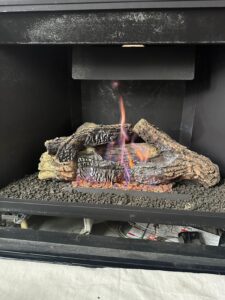
Yes. Gas systems can have venting issues, corrosion, or blockages that need checking.